MIND & MACHINE
TECTONIC SHIFT IN HUMAN-COMPUTER INTERACTION BEGINS
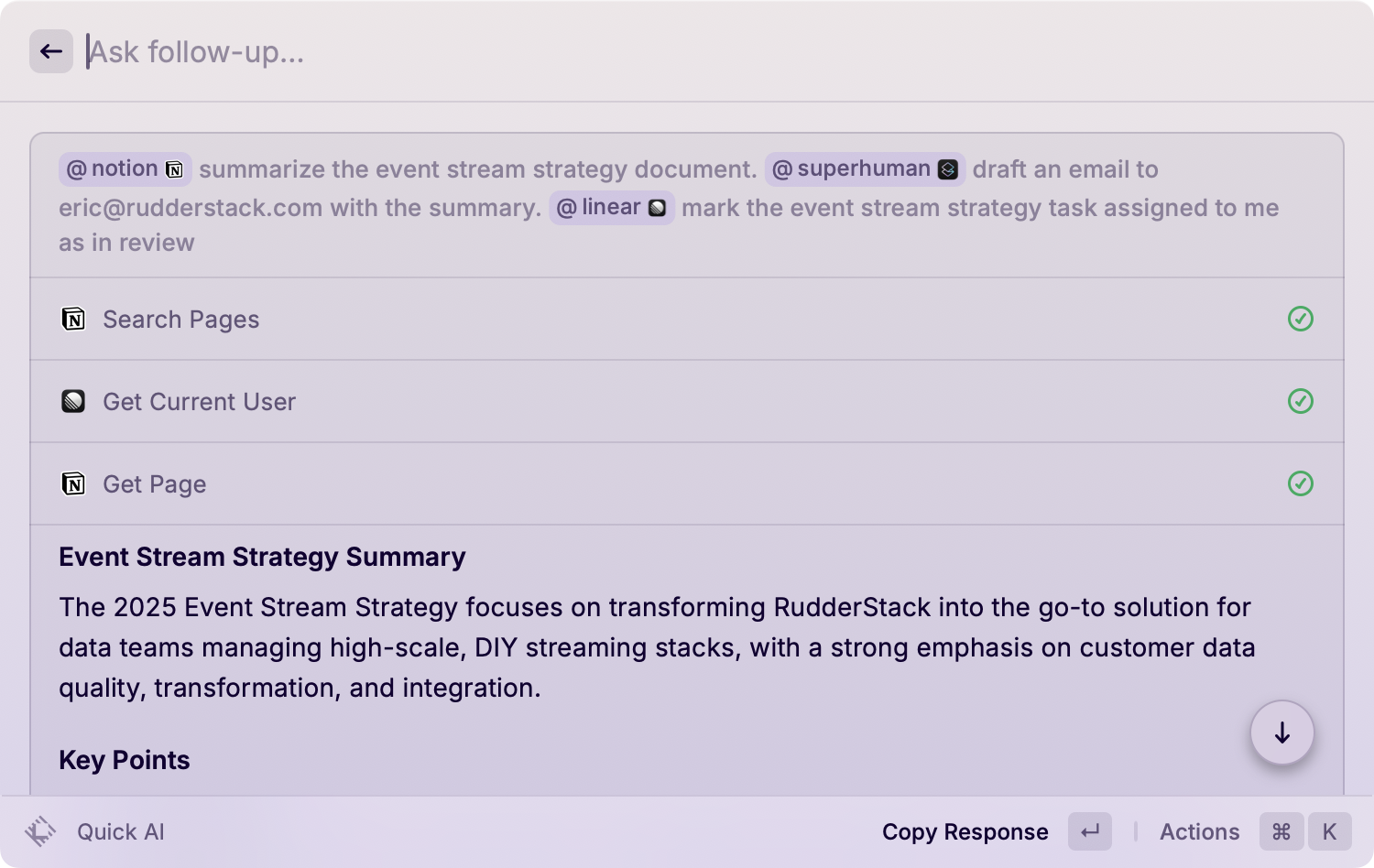
Opening my laptop to begin work for the day hardly seems revolutionary, but take a journey with me into the near future and you'll see radical change emerging just beneath the familiar.
When I log into my machine, I'm greeted with what I would describe as curated intelligence about my job (not just my work). In addition to summaries of what was accomplished (or not) yesterday, I have a clear view of how to begin thinking about my day, comprehensively. There are recommendations about what to prioritize and how to change my schedule, but more importantly, the context I have on the status of key projects and team members help me make immediate, intelligent decisions about how to use my time. Considering that I've opened my computer thousands of times in the past, the routine almost feels rote, save for one fundamental difference: for the first time, I have an immense amount of confidence within moments of stepping into the world of my digital work.
Distance isn't often a concept used to describe the way people interact with an operating system, but it's the most appropriate way to articulate the sensation of how I turn context into action—how I begin doing work. Action feels close. In part, that's because the information I need is already in front of me. What creates the sensation of closeness, though, is how I actually execute work. I don't have to travel anywhere, I simply begin working. I create information, consume information, communicate, update my schedule, plan and think. There isn't a single interaction modality—form follows workflow. I write when I need to write, I speak when I need to speak and when I need to turn specific knobs in a specialized tool, I simply reach for it and use it. When I switch devices, the context follows me and I keep working. The closest feeling I've had in the physical world is riding an electric bicycle. The fundamental experience is familiar and natural—pedaling and steering on a two-wheeled vehicle—but the underlying technology means I cover dramatically more distance using a fraction of the effort. It's exponential impact over time, yet I don't notice it in the moment.
This is a picture of the revolution: a human-computer experience that unlocks the immense potential of knowledge workers, enables unprecedented levels of creative productivity and eliminates hundreds of billions of dollars of inefficiency waste—all through an interface that simply works and feels like we've always felt it should.
This sounds like a vision that only operating system owners Apple and Microsoft could deliver, but it's more reality than vision and the shift isn't being led by the incumbents in Cupertino or Redmond. It is being enabled by a startup called Raycast, who is poised to become the default interface for knowledge work.
In hindsight this makes complete sense. Raycast's manifesto envisions a constant state of flow. At a fundamental level, achieving flow for knowledge workers requires not only transcending click labyrinths and context switching by reimagining the workflow interface itself, but also leveraging the power of LLMs as a key part of the underlying engine to make using a computer and executing work truly personal and, as a result, truly productive.
Benedict Evans is right: the blank screen problem and natural language can't deliver on science fiction's promise. Raycast's founders clearly see this and members of their passionate user base intuitively sense the potential.
Building this future is a monumental undertaking and the product has a ways to go, but the Raycast team has demonstrated that they are up to the task. If they begin to realize the vision, though, what does it mean for their business?
An Apple acquisition has been on everyone's mind from the beginning. Owning Spotlight would certainly be a tremendous achievement for the startup, but that sells even the current state of their product short, especially when it comes to AI. In this future, Raycast should own not only Spotlight, but the entire Siri and app management ecosystems as well.
Atlassian's investment is entirely logical and by all accounts they would likely be the most hands-off parent, but that path would likely cement Raycast's future as a dedicated productivity tool.
I believe the Raycast team can build a generational company. Their foundational focus on user experience, their brilliant integration of AI and their clear vision for flow across platforms could pave the path to a future where Raycast isn't a productivity or AI tool, it is how I use my computer as a knowledge worker.
Quoted
"We are working…to make an AI that is really following you around over devices, over tools, and that is actually really good for you and you only."
—Thomas Paul Mann, CEO and Co-founder of Raycast
The AI Frontier is the Operating System
A friend recently studied trends in digital advertising spend and found that Google owns over 80% of the online search market. Their conclusion was that even a few years ago, it seemed unlikely that any other company could challenge Google's dominance, but that's exactly what AI is doing.
For many, including Google early on, this change was hard to predict for several reasons. First, it was difficult to imagine ingrained human behavior changing so quickly on such a massive scale—that doesn't happen very often. Second, the combination of deep scientific roots, the deceivingly simple form factor of the chat interface and the rudimentary capabilities of the early LLMs meant that imagination was required in order to see the stand-alone potential (one of Google's first moves was to augment their existing search platform).
Third, and most importantly, multiple AI companies achieved unprecedented, counter-intuitive success as both API and consumer businesses. The numbers are truly astounding: ChatGPT has 800 million users, will generate $11B in revenue and are actively increasing their distribution moat through strategic acquisition (Windsurfer). With multiple major AI players in the mix commanding the attention of billions of people everyday, it's not hard to imagine Google's search empire crumbling.
These dynamics feel like a winner-takes-all environment, but the truth is more complex. As API businesses, the incumbents already enable the creation of separate interfaces, but as consumer apps with mass distribution, their incentive is to drive engagement within their own ecosystem, using their own menu of models, in their own interface.
That's not to say they are building closed systems—quite the opposite. I recently attended a presentation by one of the OpenAI engineers who worked on the new Responses API and the advances in multi-step processes and tool integration are exciting. Even if they aren't building closed systems, though, the incentive is clear in the underlying workflow: bring your work into GPT.
While owned ecosystems create a platform for powerful product experiences and will be sufficient for many users and use cases, they face several fundamental limitations. In the context of modern knowledge work, they aren't structured to create comprehensive efficiency for the immensely fragmented tools and processes employed by most people everyday. Even for self-declared productivity pros, modern work is inherently divided across online and offline venues, a plethora of apps, all formats of physical files and multiple communication channels.
Second, leveraging AI well means using multiple models. This is true for individuals and teams, as well as companies building AI products. Talk to any knowledge worker leveraging AI on a deep level and it will quickly become clear that even if they have preferences, they use models (and apps) from multiple vendors. This will be true of casual users as well—after all, to the average consumer, AI manifests apps on a device. On the product side, the best AI experiences are delivered on a system of multiple models, orchestrated to achieve the best possible output for the task at hand or the particular step in a sequenced workflow. Cursor is a good example: they combine their own bespoke models, models from major vendors and open source models. Even skeptics admit that their autocomplete experience has a hint of magic.
It's hard to imagine stealing market share from the likes of OpenAI, but the next important AI company won't have to.
In fact they won't be an AI company, or even an app. They will be a layer with access to all of best models (including their own), embedded directly in the operating system, woven into the workflows and apps and AI tools used by people everyday.
The ultimate battleground for AI isn't foundational models, distribution moats, or interfaces. It is the computer itself.
LETTER FROM THE EDITOR
Dear Reader,
I trust you have enjoyed this theoretical publication of Mind & Machine as a way to begin a conversation about me joining Raycast.
On your careers page you ask applicants to share why they care about the problem you are solving, why they want to join, what the company is missing and how they envision their role at Raycast. I hope that my short essays have given you a glimpse of my understanding and passion for the problem you are solving—and the immense opportunity ahead. In the second half of this letter I will give an overview of why I want to join.
As for what you are missing and thoughts on my role, I must ask for your forgiveness for not including those details. I'm not sure how helpful specific feedback would be without context, and you already have an overwhelming list of what the community thinks is missing. I certainly have thoughts, but would love to discuss them in a larger conversation about how feature requests are handled and how feedback is processed relative to your long-term vision. As far as my role, I have some preliminary ideas, and it seems like helping manage feedback is a near-term need, but my conviction is that when vision is aligned, passion is present and skillsets match up with needs, the result is impact. Again, I would love to learn more about the current team and future needs in a more detailed conversation.
Why do I want to join Raycast?
The consistent theme across my key career investments is that I work at companies building things I want to exist in the world—products and experiences that I fundamentally believe in, both as a user and as an investment thesis (market potential & timing, product context, go-to-market motion, etc.). One early highlight is a vocational education company I co-founded and sold. Most recently, it is at a venture-backed data infrastructure company that solved a severe pain point I'd personally experienced trying to build marketing and product analytics. I initially discovered the tool on Hacker News and implemented as an open source project that's still running in production 5 years later.
As I've pondered the next phase of my career, I've explored all kinds of opportunities, but haven't felt the spark of passion I know is key to doing my best work—that is until I started digging into Raycast as both a product and company.
In summary, I believe I see the future you are building towards, I want that future to exist and I have strong conviction that my passion and skillset can play a meaningful role in helping you get there. (I also feel compelled to share that I wrote these essays before I found and listened to the Scaling Dev Tools podcast, in which Thomas shares a strikingly similar vision.)
Why now?
I've had the privilege of helping take the company I work for from $0-X0M+, which has been an incredible experience, and I truly love my current role leading the product team (we've built several of our highest-impact products). As I've taken on a deeper role in shaping the future of the platform (and business) and reflect on historical execution challenges, it is clear that my convictions about how to build software and what constitutes a great user experience and brand aren't fully shared values.
If you believe there's a conversation worth having, I would love to meet the team. I will be working in Athens, Greece, all summer and can easily make a trip.
Sincerely,
Eric Dodds
Editor-in-Chief
About the Author
Home
Greenville, South Carolina, USA
Summer 2025 Location
Athens, Greece
Phone
+1-864-270-3757
GitHub
I am a successful former founder and current software product leader. Over the years I've held key go-to-market roles with a focus on marketing, but have found the most joy working close to and in product. I particularly enjoy tackling the XY problem, working directly with engineers and product marketing.
I've proven my ability to build teams, ship work as an individual contributor and take functions from 0-1 as a player-coach (and enjoy each). I function well in ambiguity.
I've built a variety of tactical skills across product, marketing, product marketing, data/analytics and building efficient operations in each of those areas. (In another life I would have been a software engineer, so the age of AI is a true dream as a technical tinkerer.) My recent focus areas as a product leader have been:
- Sharpening my ability to help run an EPD org across multiple international cultures and timezones
- Building out a develeper experience strategy to enable centralized IAC for programmatic management of the platform (it's a mess of undocumented APIs, GitHub Actions and Terraform)
- Continuing to integrate AI tooling into our product development process (which includes Team Raycast workflows)
I've co-hosted a technical podcast for 4+ years without missing a week, and we've had a knack for finding high potential guests early in their journey. I've also written two books that are published, albeit through Amazon (one for work, one as a gift to my special-needs brother-in-law).
My peers describe my superpowers as first-principles thinking, product-mindedness and writing. On multiple occasions these have been applied in the formation of strategies, both on a micro and macro level.
Eric has a unique ability to translate complex technical concepts into compelling narratives that move businesses forward. At RudderStack, he was the partner I consistently turned to when we needed to challenge our thinking and ensure we were building something customers would actually value. His product intuition, combined with his marketing expertise, made him an invaluable cross-functional leader who could be counted on when execution really mattered.
—Sagan Shultz, Product @ Linear
A Sample of Notable Projects & Accomplishments
Project: Source Data Mapper
2025Over many customer conversations, I noticed repeated asks for RudderStack's destination Transformations feature to be deployed at the front of the pipeline. Interestingly, those same customers knew that writing custom code to immutably change payloads at the source created high potential for irreversible data loss, so I knew there was a deep pain point. After carefully digging into specific problems across many customers, I learned that they didn't actually need an all-powerful, blank transformation canvas, they needed to rapidly implement simple fixes to common bad data problems, like mistyped keys (they imagined the solution through the lens of Transformations because it was their closest reference point and is often use to fix destination-specific data problems). Specifically, they needed to act quickly to keep bad data from creating expensive problems downstream (time implementing fixes, increased analytics compute, broken business processes), even though the ultimate fix is updating instrumentation in the source application. We designed a feature that allowed teams to easily create simple key mappings at the source and it quickly became one of the most in-demand roadmap items in the history of the company.
- Design of a mapping ID system and inclusion of original keys in the payload to preserve raw data (and not re-write history!)
- Collaboration with engineering on the decision to write the feature in Go at a low-level in the system to minimize infrastructure cost (Transformations are a very costly feature to run at scale)
- Full prototyping process using V0 to get early customer feedback, inform the actual UX of the feature and build demand among our customer base
Project: Enterprise Access Management System
2024-2025I led the complete re-architecture of and design of RudderStack's access management system as part of an enterprise readiness effort. The immediate need was to make administration of the platform feasible for a complex, Fortune 100 data team at a consumer packaged goods company, but the real joy of the project was determining how to build a system that would meet large enterprise needs and the needs of our existing mid-market customer base.
- Access control model research and design in partnership with engineering
- Support in architecture of the underlying model to ensure future scalability
- Ownership of the design process in partnership with the lead designer
- Development of technical and operational migration plan for existing customer base
- Creation of documentation for usage and migration
Accomplishment: Foundational Demand Generation
2021-2023While my highest impact (and joy) is product-focused work, I have built revenue-driving marketing programs and teams several times, which is a big reason I think about businesses at the go-to-market and revenue level. At RudderStack, I led the early marketing efforts with a focus on content and inbound marketing, taking us from $0-$10M in ARR and partnered closely with sales on pipeline planning. Many of those efforts continued to bear fruit in the mid-market and were a huge help on the path to $X0M and beyond (at around $10M, my focus switched to product marketing).
- Full buildout and management of a data-driven tech stack with RudderStack and Snowflake at the center
- Ownership of attribution data, modeling, reporting and pipeline/revenue forecasting in partnership with the head of revenue operations
- Ownership and management of the marketing budget (including paid, field, brand, etc.)
- Full buildout of all customer-facing marketing communications and email journey automation
- Architecture and execution of a content and SEO strategy that drove 60-75% of pipeline over a multi-year period (and my, how the SEO times are changing with AI...)
Professional Experience Highlights
Head of Product (+ others)
RudderStack2020 - PresentI started at RudderStack when there were fewer than 10 employees and built out the initial customer success team. From there, I led marketing, initially inbound demand generation, then later product marketing (I built both teams). Today I am Head of Product, responsible first for deeply understanding our customers and the market, then translating that into strategy and execution.
Owner, Founder
Yield Group, Offsite2018 - 2020After selling my previous company, I attempted to start a venture studio of sorts, where paid consulting on data projects paid the bills so the team could build products. We consulted for companies like WeWork, BMW and a number of startups. On the studio side, one product called Offsite had potential (Motley Fool was a pilot customer) and we raised money for it, but COVID demolished it—a great story to share over a drink. The consultancy is still alive and run by my former business partner, but we both knew running a service business wasn't for me. Interestingly, I found RudderStack as part of a data consulting engagement and helped lead one of the first open-source implementations, which is what led to me joining the company.
Co-founder
The Iron Yard2012 - 2018I co-founded The Iron Yard, which at one point was the largest in-person vocational code school in the world, with campuses across the US and one in London. In addition to being a founder, I led marketing and operations. We sold to one of the largest education conglomerates in the world, which is where I learned that large, non-technical, publicly-traded companies weren't my cup of tea. That industry has largely evaporated, but I still see LinkedIn updates from past students who found their dream jobs as engineers at companies like Zapier, which warms my heart.
When I'm Not Building Software
Enjoying my family: I have a beautiful wife and three wonderful children who keep me quite busy. Most days I spend time reading to the kids, jumping with them on our trampoline and teaching them how to build and fix things.


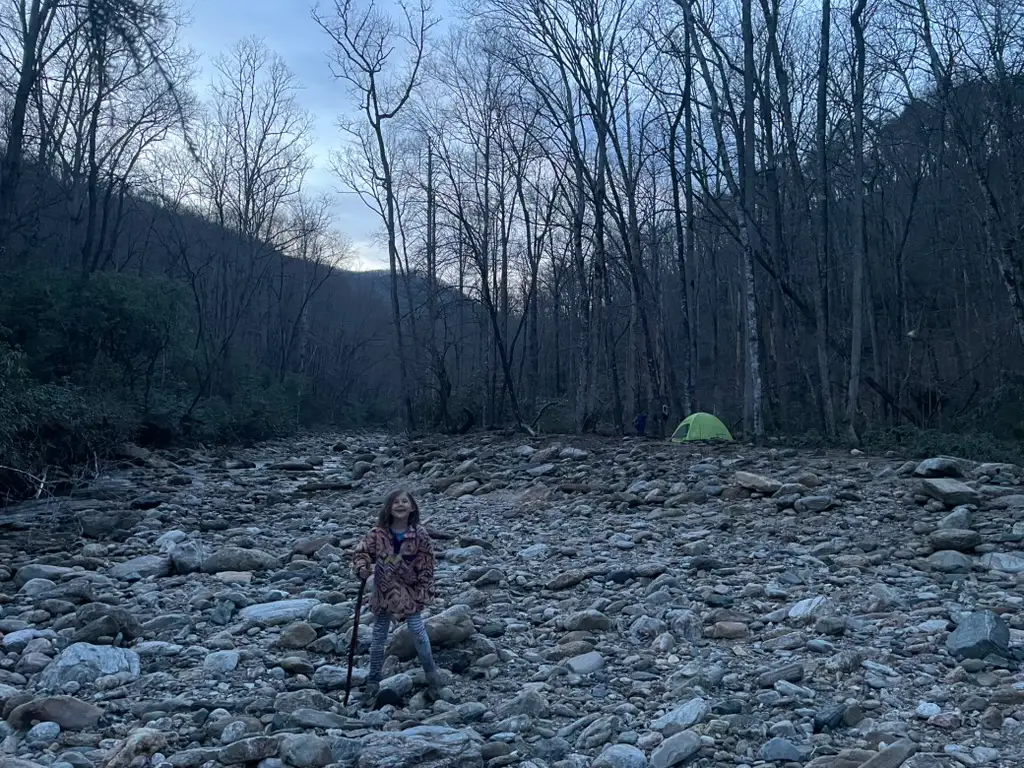
Spending time outside on bike or foot: I'm an avid mountain biker and love taking my kids camping in the wilderness. When I can't make it into the woods, I run in the city and recently completed my first marathon.

Reading & working on Land Cruisers When I have downtime in the evening, I usually read history or historical biographies. Currently I'm reading an incredible book about the building of the Brooklyn Bridge.
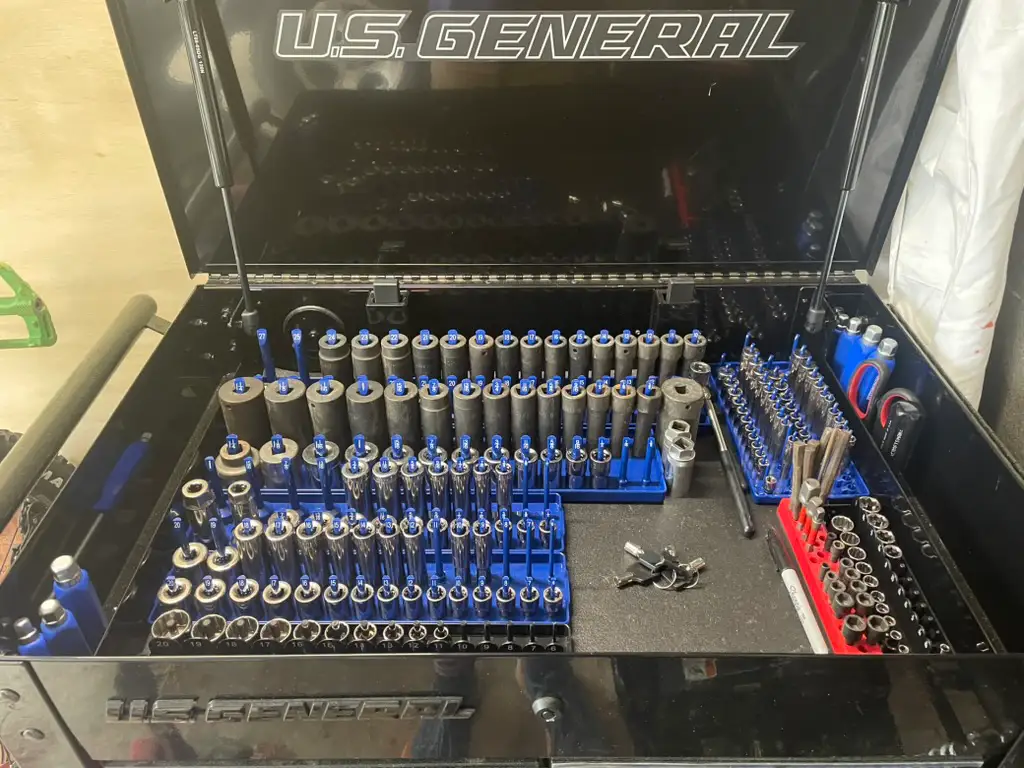
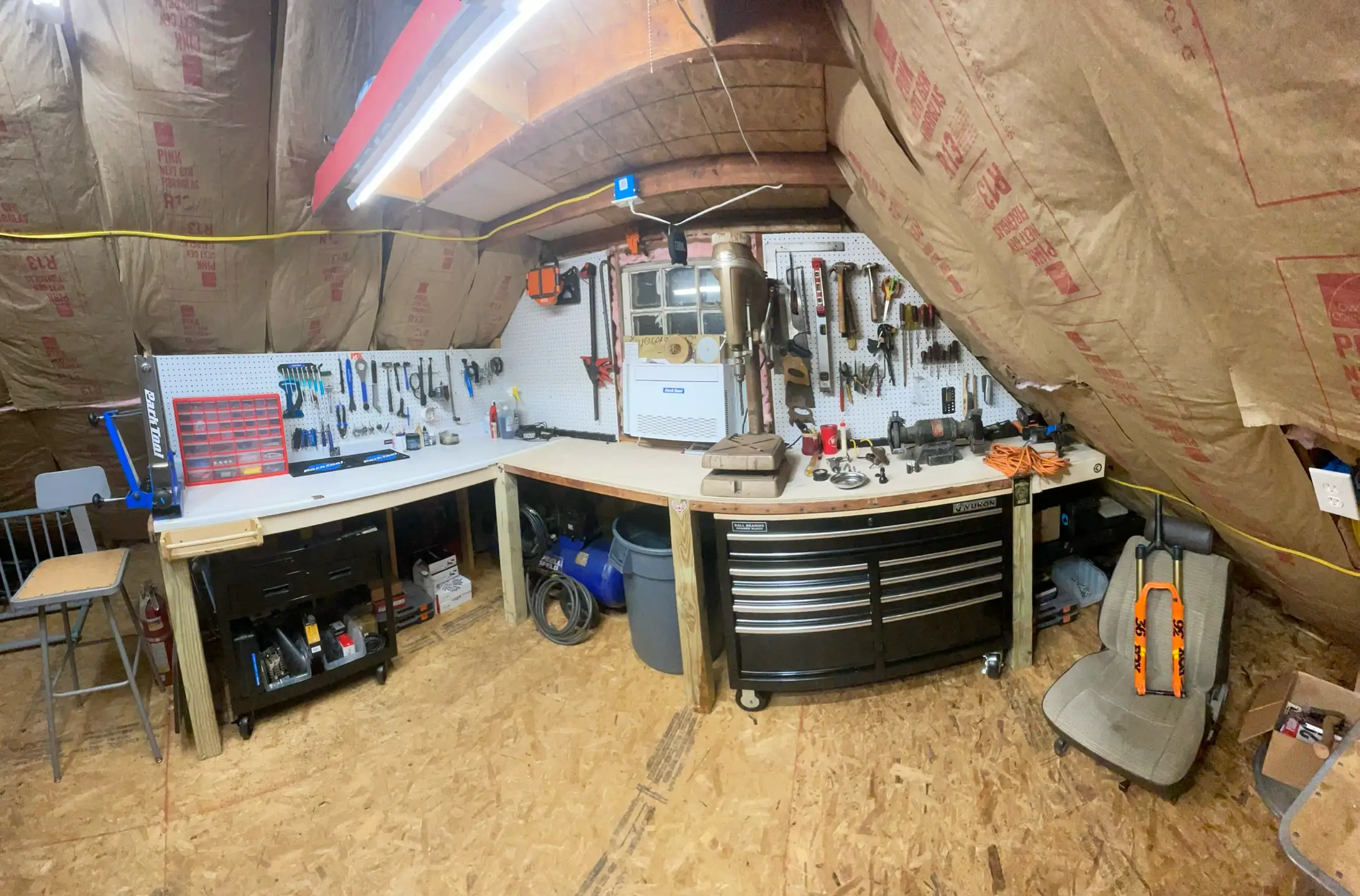
Because I spend so much time in front of a computer, it is therapeutic for me to build, work on and fix things with my hands. I also love the visceral experience of wielding high-quality physical tools. My current project is a 1985 Toyota Land Cruiser FJ60 that we named "Clive." I've fully replaced the suspension, replaced the carburetor with fuel injection and am tackling the endless punchlist of small fixes.